Turkey Residence Permit Through Property Investment: 2026 Guide

Introduction to Turkish Real Estate Residency
Turkey offers an incredible blend of rich history, stunning Mediterranean coastlines, and a dynamic modern economy. For years, expats and foreign investors have flocked to the country, drawn by the prospect of obtaining a Turkey residence permit through property investment. This pathway not only secures a physical asset in a booming real estate market but also grants the legal right to live in the country year-round. However, navigating the Turkish immigration system requires up-to-date knowledge, as the government frequently adjusts its policies to manage foreign population density and economic shifts.
In this comprehensive guide, we will break down the exact requirements for securing a real estate residence permit in 2026. We will cover the newly established financial thresholds, explain how to navigate the title deed (Tapu) process, and highlight the best regions for foreign buyers. Whether you are looking to retire in Antalya or invest in a bustling Istanbul apartment, this guide provides the authoritative insights you need to make an informed, secure investment.
The End of the $75,000 Era: The New $200,000 Threshold
The most critical update for any prospective buyer is the change in the minimum investment threshold. Historically, foreigners could obtain a residence permit by purchasing property worth $50,000 in smaller cities or $75,000 in major metropolitan areas like Istanbul, Ankara, and Izmir. As of late 2023, this rule has been entirely abolished.
Today, to qualify for a Turkey residence permit through property investment, the property must have a minimum valuation of $200,000. This is not just the asking price; the $200,000 valuation must be explicitly stated on the official Tapu (Title Deed) and confirmed by an independent, government-approved real estate appraisal report. The transaction must also be processed in Turkish Lira, with the foreign currency exchanged directly through the Central Bank of the Republic of Turkey, generating a Foreign Exchange Purchase Certificate (Döviz Alım Belgesi).
Who is the Real Owner? Understanding the Tapu

When you purchase real estate in Turkey, the ultimate proof of ownership is the Tapu. In the context of applying for a residence permit, the government asks one primary question: Who is the real owner? The answer must be crystal clear on the title deed. To qualify for the real estate residence permit, your name must be explicitly listed on the Tapu. If a property is purchased by a company or a trust, it does not qualify for this specific type of personal residence permit.
Furthermore, the property must be residential. Buying agricultural land, commercial office space, or unzoned plots will not grant you the right to a short-term residence permit based on property ownership. It is highly recommended to work with an independent lawyer to verify the Tapu's status, ensuring there are no outstanding liens, debts, or zoning issues before you transfer any funds.
Step-by-Step Guide to Applying for Your Residence Permit
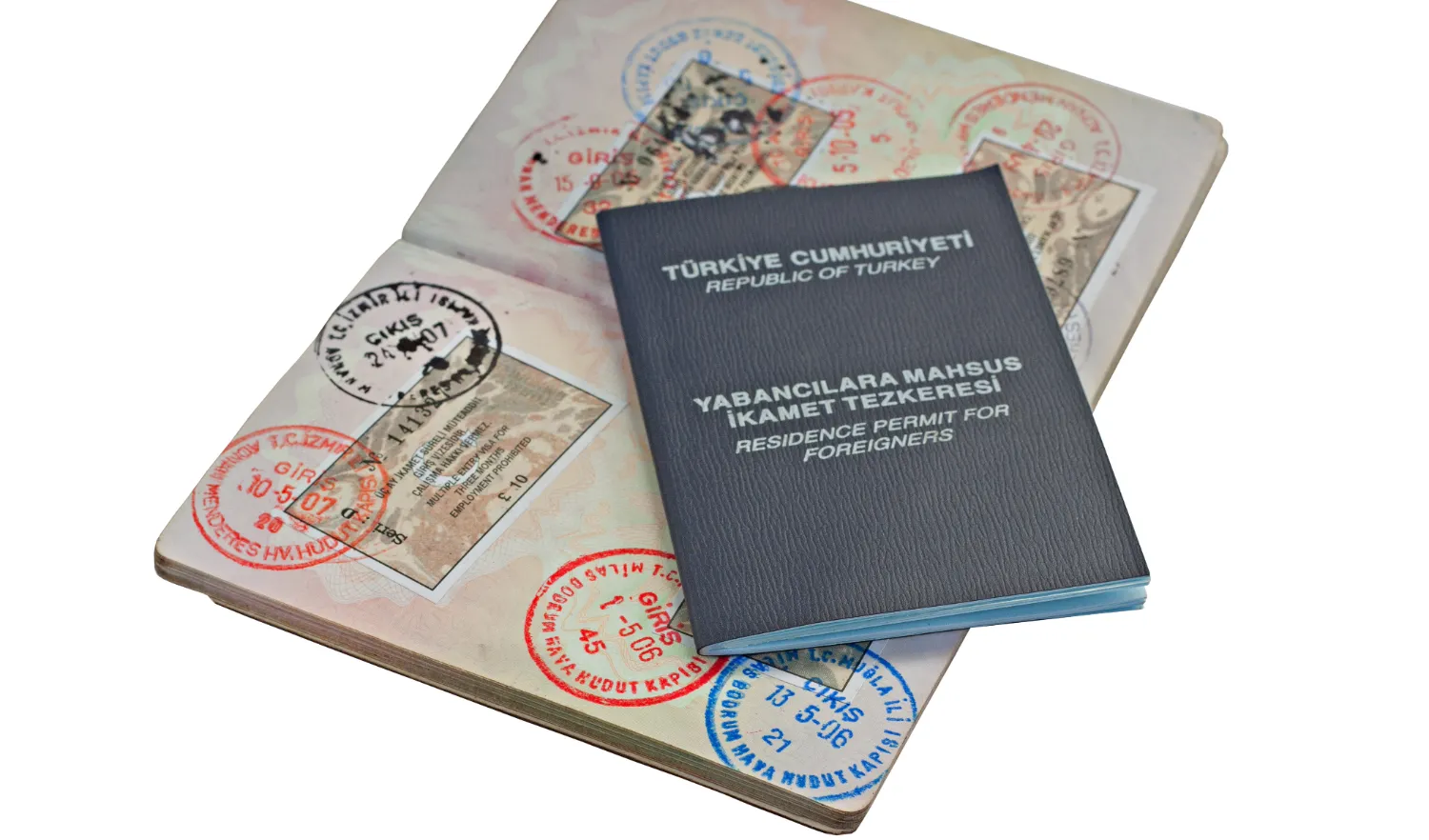
Securing your residency after purchasing a property involves a systematic administrative process. Here is the step-by-step workflow you can expect in 2026:
-
Obtain a Turkish Tax Number: This is a simple process done online or at a local tax office and is required to open a bank account and buy property.
-
Open a Turkish Bank Account: You will need this to transfer your funds and obtain the mandatory Foreign Exchange Purchase Certificate.
-
Purchase the Property and Obtain the Tapu: Complete the transaction, ensuring the appraisal meets the $200,000 minimum.
-
Gather Required Documents: You will need your biometric photos, valid passport, health insurance policy valid in Turkey, and the official title deed with the "e-ikamet" annotation from the land registry.
-
Submit the Online Application: Visit the official Presidency of Migration Management (e-ikamet) portal, fill out the forms, and select "Short-Term Residence Permit" based on owning immovable property.
-
Attend the Appointment: Present your original documents in person at the local migration office on your scheduled date.
Processing times can vary, but most applicants receive their residency card via mail within 30 to 90 days after their appointment.
Top Locations for Property Investment in Turkey

Choosing the right location is vital for both your lifestyle and the potential return on your investment. Keep in mind that the Turkish government restricts foreigners from registering for residency in certain "closed neighborhoods" where the foreign population already exceeds 20%. Always verify your chosen neighborhood's status before buying.
|
City / Region |
Lifestyle Appeal |
Average Entry Price for Premium Units |
|---|---|---|
|
Istanbul |
Bustling metropolis, economic hub, diverse cultural scene, excellent international flight connections. |
$250,000+ |
|
Antalya |
Warm Mediterranean climate, large established expat communities, beautiful beaches, resort lifestyle. |
$200,000 - $350,000 |
|
Bodrum |
Luxury coastal living, high-end marinas, upscale dining, popular with affluent European buyers. |
$400,000+ |
|
Fethiye |
Nature-focused, relaxed pace of life, stunning lagoons, highly popular with British expats. |
$200,000 - $300,000 |
Family Inclusion and Permit Renewals

A significant benefit of the Turkey residence permit through property investment is that it extends to your immediate family. The primary property owner can sponsor their legally married spouse and dependent children under the age of 18 for a family residence permit. You must provide officially translated, apostilled marriage and birth certificates.
Typically, property-based residence permits are issued for one to two years at a time. Renewing the permit is a straightforward process, provided you still own the property. After eight years of continuous legal residency, foreigners become eligible to apply for a long-term (permanent) residence permit, which eliminates the need for bi-annual renewals.
Residency vs. Citizenship by Investment

It is important to distinguish between buying property for a residence permit and buying property for Turkish citizenship. While a $200,000 investment secures your right to live in Turkey, it does not grant you a passport. If your ultimate goal is to obtain Turkish citizenship, the current minimum property investment threshold is $400,000.
Citizenship by investment offers a much faster route to permanent rights, bypassing the residence permit renewal process entirely and granting you the right to work locally without a separate work permit. However, for those who simply want a vacation home or a retirement base, the $200,000 residency route remains the most pragmatic option.
Key Takeaways
-
The minimum property value required to obtain a residence permit in Turkey is now $200,000.
-
The $200,000 value must be verified by a government-approved appraisal report and clearly stated on the Tapu (Title Deed).
-
The property must be residential; commercial or agricultural land does not qualify for this specific permit.
-
Immediate family members (spouse and children under 18) can obtain residency linked to the primary property owner.
-
Always ensure your chosen neighborhood is "open" to foreign residency registration before finalizing your purchase.
FAQ Section
1. Can I rent out the property I buy for my residence permit?
Yes, you are legally allowed to rent out your property. However, be aware of recent regulations governing short-term holiday rentals (like Airbnb), which now require specific licenses and neighbor consent. Long-term rentals are generally straightforward and provide a steady stream of passive income.
2. What happens if I sell the property?
If your residence permit is predicated solely on your property ownership, selling the property will invalidate the basis of your permit. If you sell, you must either purchase another qualifying property or switch to a different type of residence permit (such as a touristic or work permit) to legally remain in Turkey.
3. Can I get a mortgage in Turkey as a foreigner?
Yes, several Turkish banks offer mortgages to foreigners, typically covering up to 50% of the property's appraised value. However, to qualify for the $200,000 residence permit threshold, the equity you actually pay for out-of-pocket must meet the minimum requirement. High local interest rates often make cash purchases more practical for foreign buyers.
4. Do I need to live in Turkey full-time to keep the permit?
Under current regulations, there is no strict minimum stay requirement to keep a short-term property-based residence permit active. However, if you plan to apply for permanent residency or citizenship in the future, excessive time spent outside the country can restart your continuous residency clock.
5. Does the $200,000 limit apply if I bought the property years ago?
No. The government usually grandfathers in previous purchases. If you bought your property and obtained your Tapu before the new limits were announced (e.g., when the limit was $75,000), you can generally renew your permit based on the old rules. Always consult an immigration lawyer for the latest specific cut-off dates.
6. Do I need health insurance to get the permit?
Yes. All foreign applicants under the age of 65 must hold valid private health insurance covering them in Turkey. Once you reside in Turkey for a year, you may have the option to opt into the state-run SGK healthcare system for a monthly fee.
Conclusion
Securing a Turkey residence permit through property investment remains a highly attractive proposition for those seeking a vibrant lifestyle in a culturally rich, geographically diverse nation. While the increase to a $200,000 minimum investment marks a shift toward attracting higher-net-worth individuals, the transparency of the Tapu system and the clear path to family inclusion make it a robust and secure legal route. By prioritizing due diligence, working with licensed professionals, and ensuring your chosen property meets all municipal and national criteria, you can successfully navigate the 2026 Turkish real estate market and establish your new home abroad.


Comments
No comments yet. Be the first to share your thoughts!