Mountains, Lakes, and National Parks in Turkey
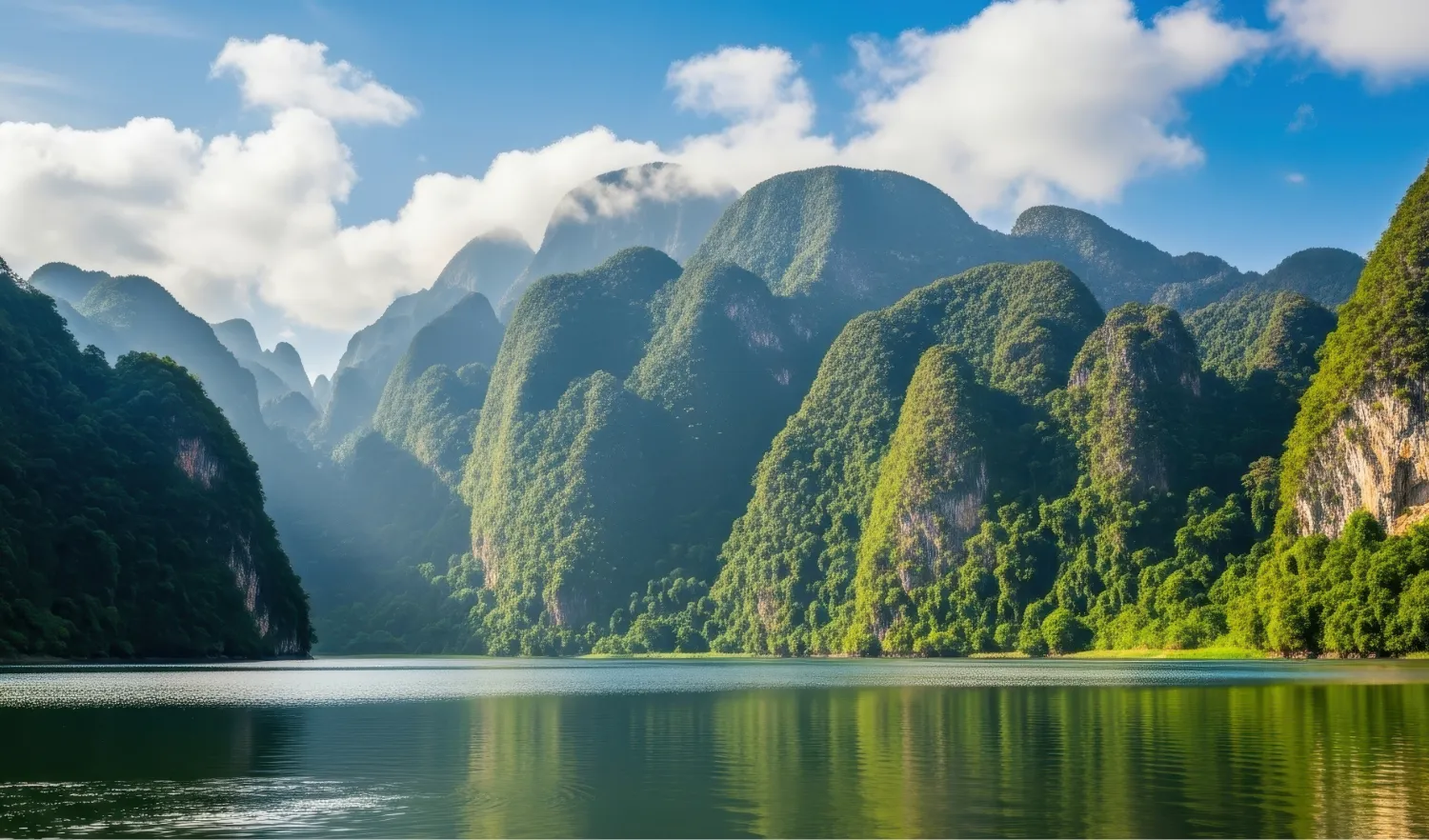
Turkey's geographical diversity creates spectacular natural landscapes ranging from snow-capped peaks to serene alpine lakes. The country's varied topography supports numerous protected areas where wildlife thrives undisturbed. Outdoor enthusiasts find exceptional opportunities for hiking, climbing, and nature observation throughout these regions. Understanding these natural features enhances the travel experience for visitors seeking adventure beyond urban centres. This guide explores the major mountain ranges, significant lakes, and designated national parks that showcase Turkey's environmental heritage.
Major Mountain Ranges
Mount Ararat (Ağrı Dağı)
Standing at 5,137 metres, this dormant volcano represents the highest peak in Turkey. Located in the eastern region near the Armenian border, it holds significant cultural and historical importance. The mountain features permanent snow caps and glaciers despite its southern latitude. Climbing requires special permits and experienced guides due to challenging weather conditions. The surrounding area offers breathtaking views and unique high-altitude ecosystems.
The Taurus Mountains (Toros Dağları)
This extensive range stretches along the Mediterranean coast for over 1,000 kilometres. The mountains create a dramatic backdrop for coastal resorts and separate the narrow coastal plain from the central plateau. Dense forests of cedar and juniper cover many slopes. Ancient pathways through these mountains once connected civilisations. Modern hikers enjoy well-marked trails with stunning sea views.
The Pontic Mountains (Kuzey Anadolu Dağları)
Running parallel to the Black Sea coast, these mountains receive substantial rainfall creating lush vegetation. Dense forests and deep valleys characterise this range. The elevation varies significantly, with several peaks exceeding 3,000 metres. This region supports diverse wildlife including brown bears and wolves. The mountains influence local climate patterns creating microclimates throughout the area.
Significant Lakes and Water Bodies
Lake Van
As the largest lake in Turkey, Lake Van covers approximately 3,755 square kilometres in the eastern region. This saline soda lake sits at an altitude of 1,640 metres. The lake features several small islands including Akdamar Island with its historic Armenian church. The unique alkaline water supports only certain fish species. Surrounding mountains create spectacular reflections on calm days.
Lake Tuz
This shallow saline lake serves as Turkey's second-largest lake by surface area. During summer months, much of the water evaporates leaving thick salt deposits. The pink hue from algae creates striking visual contrasts against white salt flats. The area functions as an important habitat for flamingos during migration seasons. Access requires careful planning due to the fragile ecosystem.
Abant Lake
Located in Bolu Province, this natural lake sits within a forested crater. Surrounded by beech and oak trees, the lake offers peaceful walking trails. The water remains clear and cold throughout the year. Seasonal changes create dramatically different landscapes from vibrant autumn colours to snow-covered winter scenes. The area attracts photographers and nature lovers seeking tranquil environments.
National Parks and Protected Areas
Turkey has established numerous national parks to preserve its natural heritage and biodiversity. These protected areas safeguard unique ecosystems while providing recreational opportunities for visitors. The General Directorate of Nature Conservation and National Parks manages these territories. Each park features distinct characteristics ranging from coastal environments to alpine meadows. Visitors can explore designated trails, observe wildlife, and learn about conservation efforts. For travellers planning to visit these areas, securing proper entry documentation is essential. You can review the Turkey e-Visa Requirements - Documents & Criteria | Turkey Visa Service page to ensure compliance with entry regulations.
Notable National Parks
| National Park | Location | Key Features |
|---|---|---|
| Kaçkar Mountains | Rize-Artvin | Glacial lakes, alpine meadows, and diverse flora including rare rhododendron species |
| Mount Nemrut | Adıyaman | Ancient tomb sanctuary with giant stone heads and panoramic sunrise views |
| Yedigöller | Bolu | Seven lakes connected by forest trails with exceptional autumn foliage displays |
| Beydağları | Antalya | Coastal mountains with ancient ruins, hiking trails, and Mediterranean vegetation |
| Uludağ | Bursa | Winter sports destination with ski facilities and summer hiking opportunities |
Conservation and Sustainable Tourism
Protected areas in Turkey balance conservation objectives with responsible tourism development. Park authorities implement regulations to minimise human impact on sensitive ecosystems. Visitors must follow designated trails and respect wildlife observation guidelines. Camping is permitted only in specified zones with proper permits. Waste disposal facilities are provided at major access points. These measures ensure future generations can enjoy these natural treasures. Understanding and adhering to park regulations demonstrates respect for Turkey's environmental heritage.
Essential Preparation for Nature Exploration
- Ensure your travel authorisation covers the duration of your outdoor adventure plans.
- Research specific permit requirements for climbing or camping in protected areas.
- Pack appropriate photography equipment to capture diverse landscapes and wildlife.
- Check seasonal weather patterns and plan visits during optimal conditions for your activities.
- Carry detailed topographic maps and navigation tools for remote mountain areas.
- Inform local authorities or park rangers of your hiking itinerary in wilderness areas.
Frequently Asked Questions
Most national parks allow general access without special permits for day visitors. However, activities like camping, climbing specific peaks, or entering restricted zones require advance permission. Contact the park administration or local tourism offices to determine specific requirements for your planned activities.
The optimal season depends on your intended activities. Summer months from June to September offer the best conditions for hiking and climbing at higher elevations. Spring and autumn provide moderate temperatures for lower altitude treks. Winter attracts skiers to resorts like Uludağ and Palandöken.
Yes, numerous licensed tour operators offer guided excursions to national parks and mountain regions. Professional guides provide valuable knowledge about local ecology, history, and safety protocols. For more information on planning your visit, check the Turkey Visa Types - Tourist, Business & Transit | Turkey Visa Service resource.


Comments
No comments yet. Be the first to share your thoughts!