The Bosphorus Strait Explained
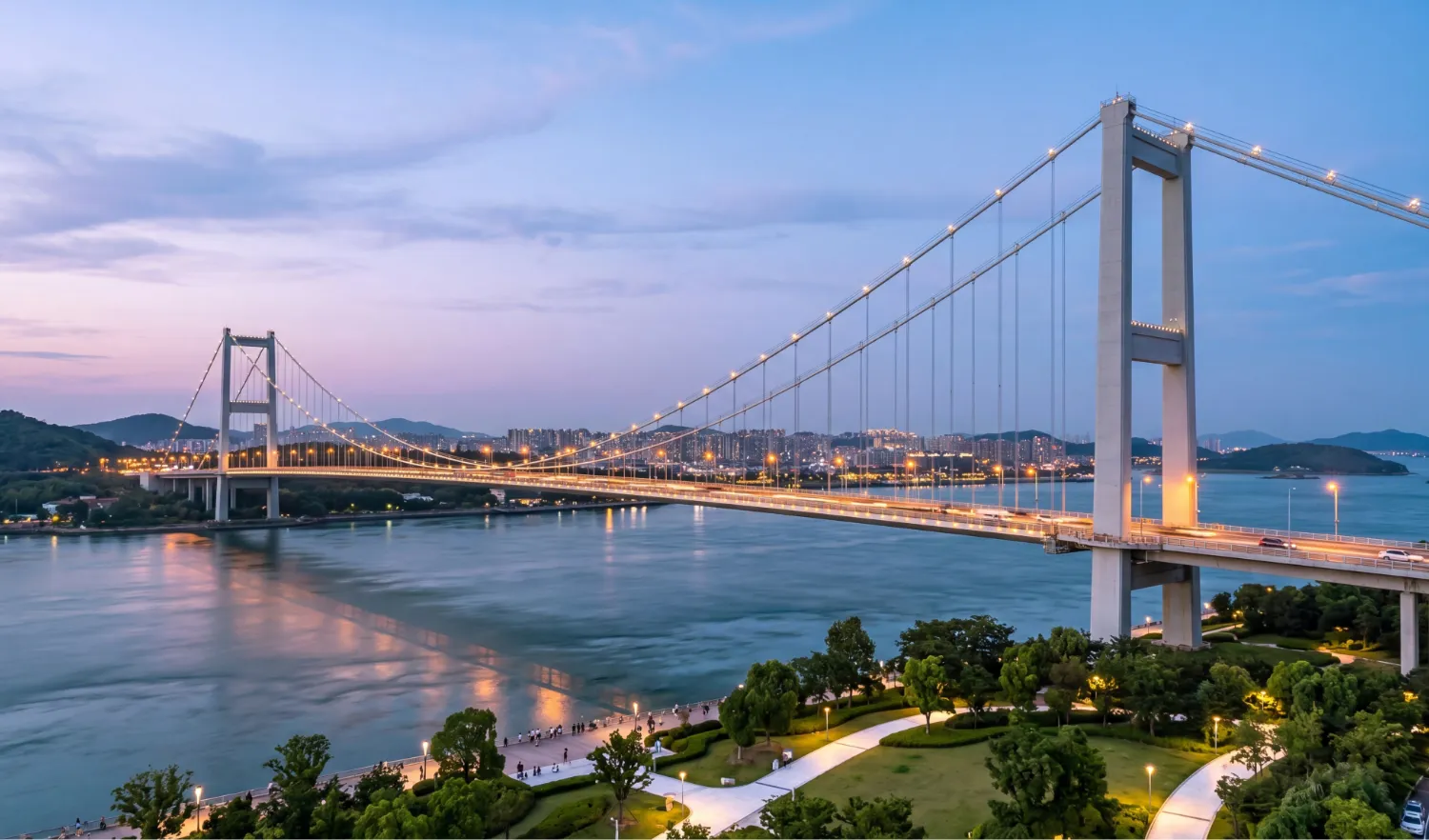
The Bosphorus Strait represents one of the world's most strategically significant waterways. This narrow channel connects the Black Sea to the Sea of Marmara, effectively dividing Istanbul between Europe and Asia. Throughout history, control of this passage has influenced empires and shaped global trade routes. Modern visitors experience the strait through various perspectives including ferry crossings, waterfront dining, and historical site visits. Understanding the geographical, historical, and cultural dimensions of the Bosphorus enhances appreciation for this remarkable natural feature. This guide examines the strait's formation, its role in international maritime law, and the experiences it offers to contemporary travellers.
Geographical Formation and Characteristics
The Bosphorus extends approximately 30 kilometres from the Black Sea to the Sea of Marmara. Its width varies between 700 metres at the narrowest point and 3,500 metres at the widest section. The strait features two distinct current systems flowing in opposite directions at different depths. Surface waters flow southward from the Black Sea while deeper currents move northward. This unique hydrological system results from density differences between the two connected seas. The channel depth averages 65 metres but reaches 110 metres in certain locations. Steep hills rise dramatically from the water's edge on both banks creating a dramatic landscape.
Historical Significance and Strategic Importance
Ancient civilisations recognised the Bosphorus as a critical maritime chokepoint. The Byzantine Empire controlled these waters for over a millennium, collecting tolls from passing vessels. The Ottoman conquest of Constantinople in 1453 secured dominance over the strait for four centuries. The 1936 Montreux Convention established modern regulations governing naval and commercial traffic. This international treaty balances Turkish sovereignty with freedom of passage for civilian vessels. Military ship transit faces specific restrictions based on tonnage and nationality. The strait remains vital for global energy transportation with oil tankers regularly navigating its waters.
Key Landmarks Along the Bosphorus
European Side Highlights
The European bank features iconic structures including Dolmabahçe Palace with its ornate architecture. The medieval Rumeli Fortress stands as a testament to Ottoman military engineering. Ortaköy neighbourhood offers charming cafes with views of the Bosphorus Bridge. The neighbourhoods of Bebek and Arnavutköy display traditional wooden mansions called yalıs. These waterfront residences represent Ottoman architectural heritage and modern luxury living.
Asian Side Attractions
The Asian shore provides a more residential atmosphere with local markets and parks. Üsküdar district contains historic mosques and ferry terminals connecting to Europe. The Maiden's Tower sits on a small islet near the Asian coast. This romantic landmark has served as a lighthouse, customs station, and defensive structure throughout history. Çengelköy and Kandilli offer peaceful waterfront walks away from tourist crowds.
Experiencing the Bosphorus
Restaurants offering traditional cuisine with panoramic strait views
Pedestrian access during special events with unique perspectives
Varies
Evening tours showcasing illuminated palaces and bridges
1.5-2 hours
| Activity Type | Description | Duration |
|---|---|---|
| Public Ferry | Affordable crossing between European and Asian terminals with scenic views | 20-30 minutes |
| Private Yacht Tour | Luxury cruise with dining options and commentary on landmarks | 2-4 hours |
| Waterfront Dining | 1-2 hours | |
| Bosphorus Bridge Walk | ||
| Sunset Cruise |
Planning Your Visit
Travellers planning to explore Istanbul and the Bosphorus must secure appropriate entry documentation. The electronic system provides a convenient method for obtaining travel authorisation before arrival. Applicants should submit their requests well in advance of planned departure dates. Processing times vary based on application volumes and individual circumstances. For detailed information on requirements and procedures, visit the Turkey e-Visa Requirements - Documents & Criteria | Turkey Visa Service page. Understanding entry regulations ensures smooth arrival and uninterrupted exploration of Istanbul's waterways.
Essential Bosphorus Exploration Tips
- Verify your travel authorisation validity covers your entire Istanbul visit duration.
- Research ferry schedules in advance to plan efficient crossings between continents.
- Bring appropriate photography equipment for capturing waterfront architecture and sunsets.
- Allow extra time for security checks when boarding public ferries during peak hours.
- Wear comfortable walking shoes for exploring waterfront promenades and hilly neighbourhoods.
- Check weather forecasts as wind conditions significantly affect ferry operations and cruise comfort.
Frequently Asked Questions
Pedestrian access to the Bosphorus Bridge (15 July Martyrs Bridge) is restricted for safety reasons. However, the Fatih Sultan Mehmet Bridge occasionally allows pedestrian access during special events. The third bridge, Yavuz Sultan Selim, does not permit pedestrian traffic. Ferry crossings remain the primary method for individuals to cross between continents.
Early morning cruises offer calm waters and soft lighting ideal for photography. Sunset tours provide spectacular views as the city transitions from day to night with illuminated landmarks. Evening cruises showcase the strait's romantic atmosphere with palace lights reflecting on the water. Each time offers distinct experiences depending on your preferences.
Numerous licensed operators offer guided boat tours with multilingual commentary. These tours typically highlight major palaces, fortresses, and neighbourhoods along both shores. Some packages include meals or combine boat tours with walking excursions. For more information on planning your Turkish adventure, consult the Understanding Turkey's Visa Policy | Turkey Visa Service resource.


Comments
No comments yet. Be the first to share your thoughts!