Climate and Seasons in Turkey
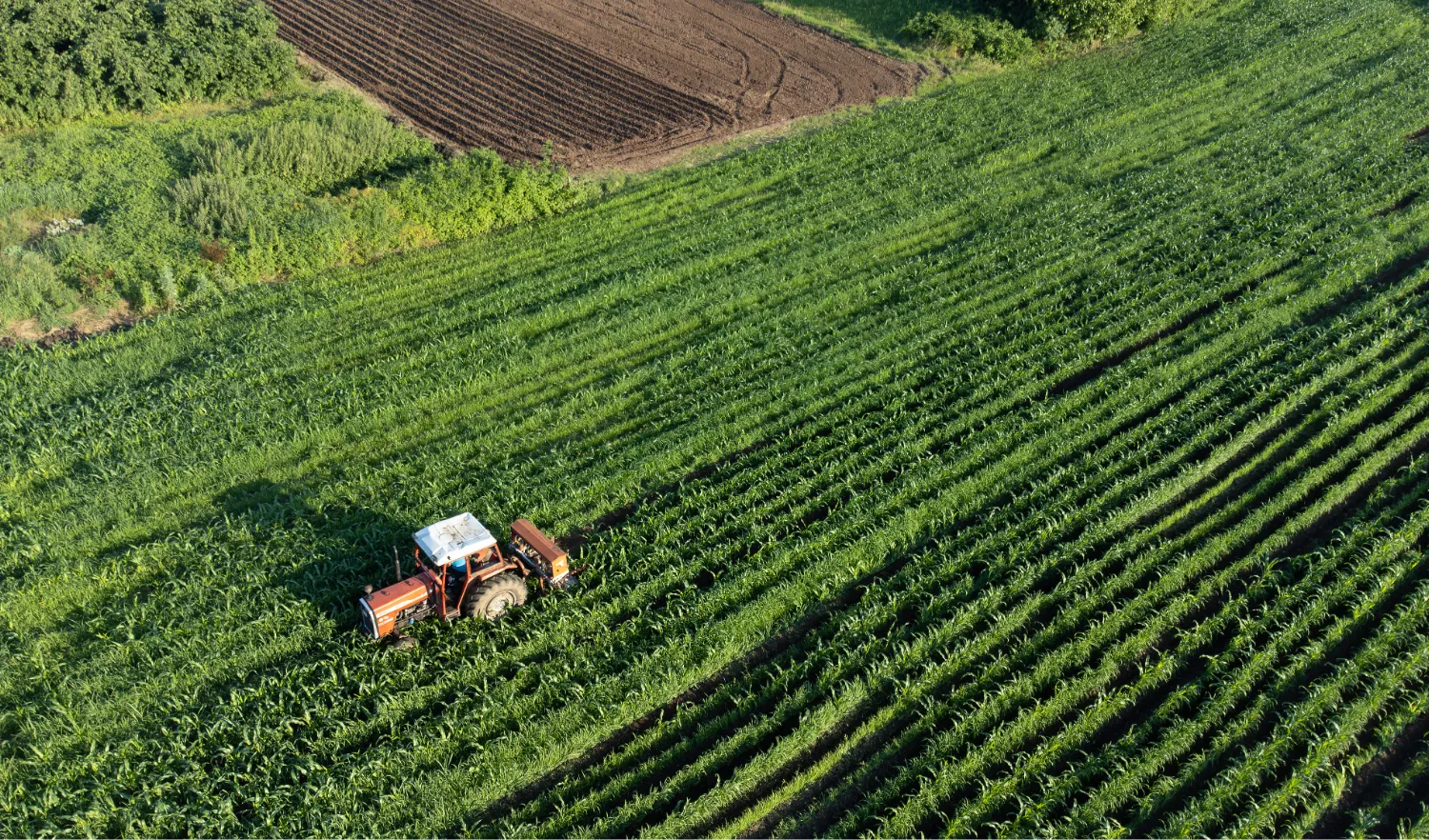
Turkey's geographical position creates remarkably diverse climate conditions across its territory. The country experiences Mediterranean, continental, oceanic, and semi-arid climate zones within relatively short distances. This variation results from complex interactions between latitude, altitude, proximity to seas, and mountain ranges. Understanding these climatic patterns proves essential for travellers planning visits to different regions. Seasonal variations significantly impact available activities, packing requirements, and overall travel experiences. This comprehensive guide examines Turkey's climate zones, seasonal characteristics, and practical implications for visitors.
Mediterranean Climate Zone
Coastal regions along the Aegean and Mediterranean seas experience typical Mediterranean weather patterns. Summers remain hot and dry with temperatures frequently exceeding 30 degrees Celsius. Winters stay mild and wet with occasional rainfall. This climate supports extensive tourism infrastructure focused on beach holidays. The season extends from April through October with peak conditions in July and August. Coastal areas including Antalya, Bodrum, and Marmaris benefit from over 300 days of sunshine annually. This zone attracts visitors seeking warm weather and water-based activities.
Continental Climate Zone
The central Anatolian plateau exhibits continental characteristics with significant temperature extremes. Summers prove hot and dry while winters become cold with regular snowfall. Ankara, the capital, experiences this climate with average winter temperatures dropping below freezing. The region receives less precipitation than coastal areas. Temperature differences between day and night can exceed 20 degrees Celsius even in summer. This climate zone requires careful seasonal planning for visitors. Spring and autumn offer moderate temperatures ideal for exploring historical sites.
Black Sea Climate Zone
The northern coast along the Black Sea receives abundant rainfall throughout the year. This oceanic influence creates mild summers and cool winters without extreme temperatures. Precipitation distributes evenly across all seasons with no distinct dry period. The region supports lush vegetation including dense forests and tea plantations. Humidity remains high year-round affecting comfort levels. This climate differs dramatically from other Turkish regions. Visitors should prepare for rain regardless of travel season.
Seasonal Characteristics
Spring (March to May)
Spring brings moderate temperatures and blooming landscapes across most regions. Coastal areas warm gradually while central regions remain cool. This season offers ideal conditions for sightseeing without summer crowds. Wildflowers carpet meadows in mountainous areas. Rainfall decreases compared to winter but remains possible. Temperatures range from 15 to 25 degrees Celsius depending on location. This period suits outdoor activities and cultural exploration comfortably.
Summer (June to August)
Summer delivers hot, dry weather particularly in coastal and southern regions. Temperatures regularly exceed 35 degrees Celsius in inland areas. Coastal breezes provide some relief along the Aegean and Mediterranean. This peak tourist season features long daylight hours and minimal rainfall. Mountain regions offer cooler alternatives for escaping heat. Beach destinations operate at full capacity with all facilities available. Advance booking becomes essential for popular locations.
Autumn (September to November)
Autumn brings comfortable temperatures and reduced tourist numbers. The sea remains warm enough for swimming through October in southern regions. Rainfall increases gradually as the season progresses. This period offers excellent conditions for hiking and outdoor exploration. Harvest seasons provide opportunities to experience local agricultural traditions. Temperatures gradually decline from 25 to 15 degrees Celsius. This season balances pleasant weather with fewer crowds.
Winter (December to February)
Winter varies dramatically between regions. Coastal areas experience mild temperatures around 10 degrees Celsius with regular rain. Central and eastern regions face cold conditions with significant snowfall. Mountain resorts operate ski facilities from December through March. Istanbul and coastal cities remain accessible though wetter. This season suits cultural tourism and winter sports enthusiasts. Indoor attractions including museums and historical sites remain fully operational.
Regional Climate Comparison
| Region | Summer Average | Winter Average | Annual Rainfall |
|---|---|---|---|
| Istanbul | 28°C | 6°C | 844mm |
| Antalya | 34°C | 10°C | 1,045mm |
| Ankara | 30°C | -2°C | 415mm |
| Trabzon | 26°C | 7°C | 2,160mm |
| Diyarbakır | 38°C | 2°C | 465mm |
Planning Your Visit
Understanding seasonal patterns helps travellers select optimal timing for their specific interests. Beach holidays suit summer months while cultural tours work well in spring and autumn. Winter sports require December through March visits to mountain resorts. Regardless of season, securing proper entry documentation remains essential. The electronic travel authorisation system facilitates pre-arrival preparation. Applicants should allow sufficient processing time before their intended travel dates. For detailed information on entry requirements, consult the Turkey e-Visa Processing Time - Fast & Express Options | Turkey Visa Service resource.
Packing Recommendations by Season
- Verify your travel authorisation covers your intended visit duration across seasons.
- Pack lightweight breathable clothing for summer coastal visits with sun protection.
- Bring waterproof layers and warm clothing for winter travel to central regions.
- Include versatile clothing suitable for temperature variations in spring and autumn.
- Carry comfortable walking shoes appropriate for seasonal conditions and terrain.
- Research regional climate variations when visiting multiple areas during one trip.
Frequently Asked Questions
Spring and autumn generally provide the most comfortable conditions across most regions. These seasons feature moderate temperatures, fewer crowds, and reasonable accommodation rates. However, the best season depends on your specific interests and planned activities. Beach holidays require summer while skiing needs winter conditions.
Winter snow can temporarily close mountain roads in eastern regions. Coastal areas remain accessible year-round though ferry schedules may reduce in winter. Summer heat can make midday outdoor activities uncomfortable in southern regions. Planning activities around seasonal patterns ensures optimal experiences.
Turkey experiences occasional weather extremes including heatwaves, heavy rainfall, or snowstorms. Monitoring weather forecasts before and during your trip helps prepare for conditions. Travel insurance covering weather-related disruptions provides additional security. For more information on travel planning, review the Turkey Visa Types - Tourist, Business & Transit | Turkey Visa Service page.



Comments
No comments yet. Be the first to share your thoughts!