Best Hiking Trails in Turkey
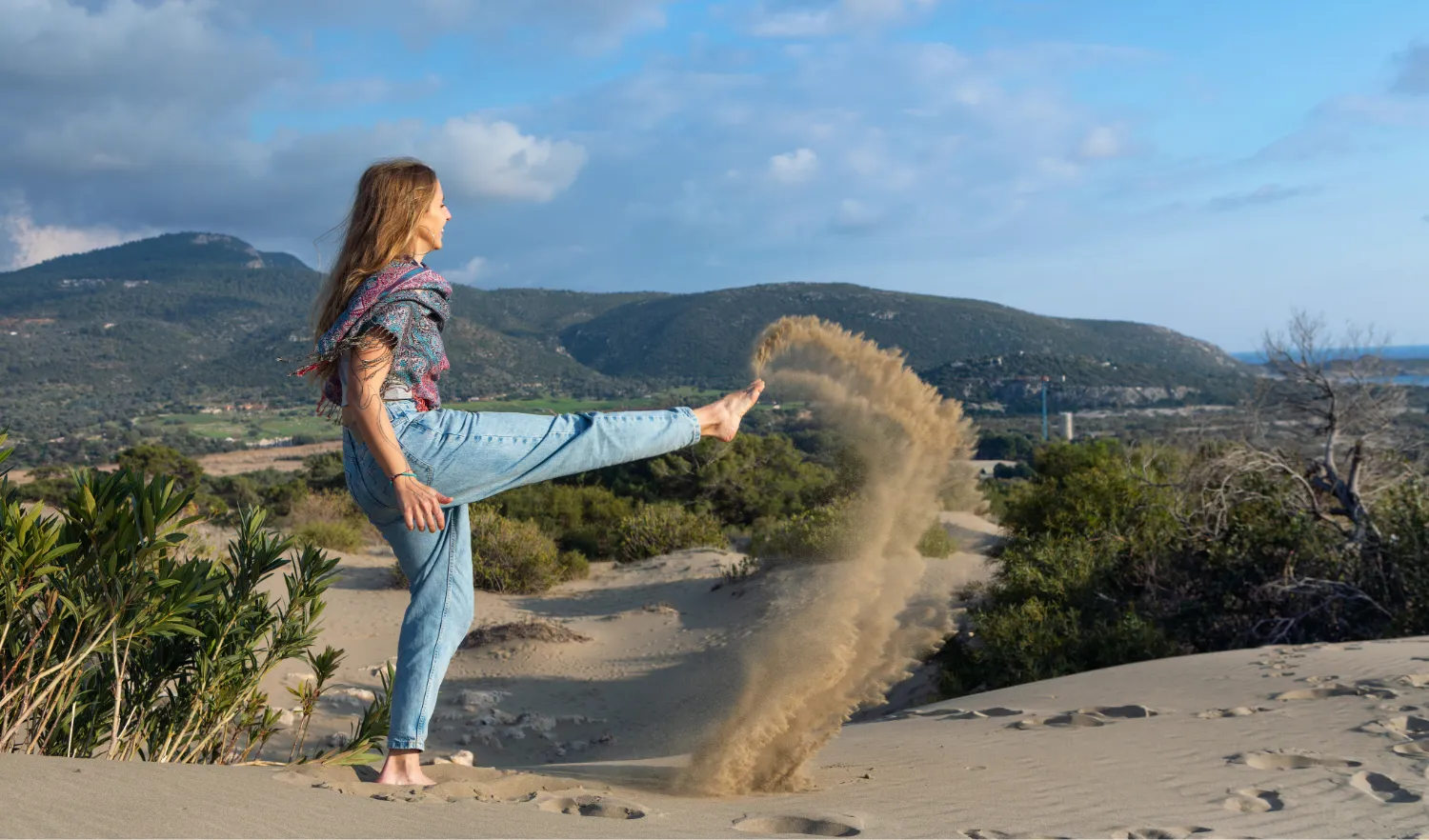
Turkey's diverse topography creates exceptional opportunities for hiking and trekking across varied landscapes. From coastal paths with Mediterranean views to challenging mountain ascents, the country offers routes suitable for all experience levels. Ancient pathways once used by traders and pilgrims now serve modern hikers seeking adventure and cultural immersion. Well-marked long-distance trails connect historical sites while mountain routes test physical endurance. Understanding trail characteristics, seasonal accessibility, and preparation requirements ensures safe and rewarding experiences. This guide examines premier hiking destinations, route difficulties, and essential planning considerations for outdoor enthusiasts.
The Lycian Way (Likya Yolu)
This 540-kilometre marked trail follows Turkey's southwestern coastline from Fethiye to Antalya. The route combines ancient Lycian ruins with stunning Mediterranean scenery. Hikers encounter historical tombs, Byzantine churches, and traditional villages along the path. The trail typically requires 25-30 days to complete though shorter sections suit casual hikers. Coastal views alternate with mountain ascents reaching 1,000 metres elevation. The walking season extends from April through October avoiding winter rainfall. Accommodation options include guesthouses in villages and camping at designated sites. This trail represents Turkey's most famous long-distance hiking route attracting international trekkers annually.
Mount Ararat Expedition
Climbing Turkey's highest peak at 5,137 metres represents a serious mountaineering challenge. The ascent requires technical skills, proper equipment, and acclimatisation to high altitude. Most expeditions take 5-7 days including approach and summit attempts. Permits from Turkish authorities are mandatory and must be arranged through licensed operators. The climbing season runs from June through September when weather conditions prove most stable. Glaciers and snow fields demand experience with crampons and ice axes. Successful summits reward climbers with breathtaking views across three countries. This expedition suits only experienced mountaineers with appropriate physical conditioning.
Cappadocia Valley Trails
The unique geological formations of Cappadocia offer numerous hiking opportunities through valleys. Red Valley, Rose Valley, and Love Valley feature fairy chimneys, rock churches, and pigeon houses. Trails range from 2 to 15 kilometres suitable for various fitness levels. The soft volcanic rock creates constantly changing light conditions ideal for photography. Most routes can be completed as day hikes from Göreme or Ürgüp. Spring and autumn provide comfortable temperatures while summer mornings offer cooler conditions. The terrain involves moderate elevation changes through scenic landscapes. These trails combine natural beauty with historical exploration of early Christian settlements.
Regional Hiking Destinations
| Region | Trail Name | Distance | Duration | Best Season |
|---|---|---|---|---|
| Black Sea | Kaçkar Mountains Trek | 120km | 7-10 days | July-September |
| Aegean | St Paul Trail | 500km | 20-25 days | April-June, Sept-Oct |
| Mediterranean | St Nicholas Way | 85km | 4-5 days | April-November |
| Central Anatolia | Sultan's Trail | 105km | 5-6 days | May-October |
| Eastern Anatolia | Mount Süphan Trek | 40km | 3-4 days | June-September |
Essential Preparation
Travellers planning hiking adventures in Turkey must secure appropriate entry documentation before arrival. The electronic travel authorisation system provides a convenient method for obtaining permission. Applicants should submit requests well in advance of planned travel dates to accommodate processing times. Understanding entry requirements ensures uninterrupted outdoor experiences. For detailed information on application procedures and timing, visit the Turkey e-Visa Processing Time - Fast & Express Options | Turkey Visa Service page. Proper documentation allows hikers to focus on trail preparation and safety considerations.
Trail Safety and Equipment
- Verify your travel authorisation covers the entire duration of your hiking itinerary including potential delays.
- Carry detailed topographic maps and navigation tools even on marked trails.
- Pack appropriate footwear with ankle support and proven traction for varied terrain.
- Inform local authorities or accommodation providers of your hiking itinerary in remote areas.
- Carry sufficient water, sun protection, and emergency supplies for day hikes.
- Check weather forecasts before departure as mountain conditions change rapidly.
Guided vs Independent Hiking
Guided Expeditions
Professional guides provide valuable knowledge about routes, local culture, and safety protocols. Guided tours handle logistics including permits, accommodation, and meals. This option suits hikers seeking convenience and local expertise. Groups provide social interaction and shared experiences. Costs are higher but reduce planning burdens and navigation concerns.
Independent Trekking
Self-guided hiking offers flexibility in pacing and route selection. Independent trekkers control daily distances and rest stops. This approach requires thorough preparation including route research and permit acquisition. Navigation skills and self-sufficiency prove essential. Costs are lower but responsibility for safety rests entirely with the hiker.
Frequently Asked Questions
Most day hikes and established trails require no special permits. However, climbing Mount Ararat and entering certain border regions necessitate advance permission. National parks may charge entrance fees. Check specific requirements for your chosen route and obtain necessary documentation before beginning your trek.
Coastal trails like the Lycian Way suit spring and autumn when temperatures remain moderate. High mountain routes including the Kaçkar Mountains are accessible only in summer months after snow melts. Central Anatolia offers comfortable conditions in late spring and early autumn. Winter hiking proves challenging except in specific low-altitude coastal areas.
Many established trails pass through villages offering guesthouses and small hotels. The Lycian Way and St Paul Trail feature regular accommodation options. Remote mountain routes may require camping or carrying tents. Research your specific route to determine accommodation availability and plan accordingly. For more information on planning your Turkish adventure, consult the Turkey Visa Types - Tourist, Business & Transit | Turkey Visa Service resource.



Comments
No comments yet. Be the first to share your thoughts!